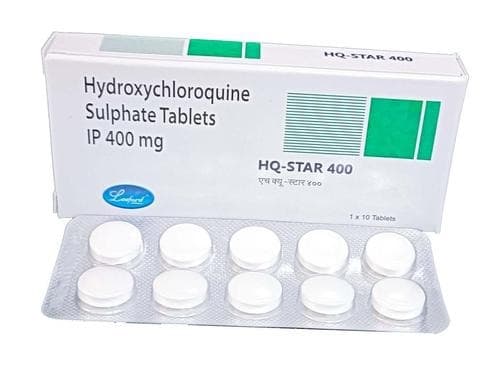
Antimalaria
HQ Star – 400
Hydroxychloroquine
400 MG · 1 X 10 Tablet
By LeefordHealthcareLtd
$4.50Regular price $5.60Save 20%
Pharmaceutical wholesale & export — request a bulk quote
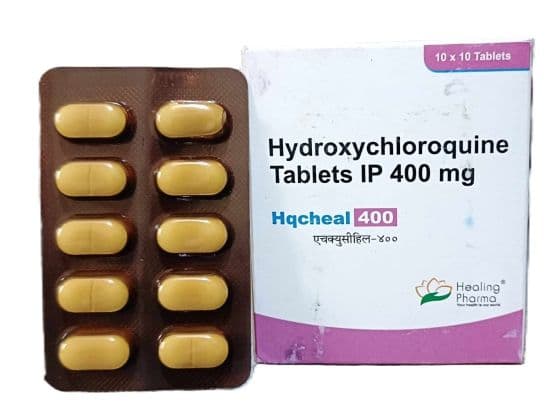
hydroxychloroquine sulfate
Hqcheal 400 Mg tablet containing hydroxychloroquine sulfate, an antimalarial agent also used in certain autoimmune conditions. Supplied as 1 x 10 tablet pack for wholesale buyers.
Price per pack: 1 X 10 Tablet
In stock
Hqcheal 400 Mg is a tablet formulation containing hydroxychloroquine sulfate, supplied in a compact commercial pack of 1 x 10 tablets. The product is presented for distribution to wholesalers, distributors, hospitals and institutional buyers. Information provided here is intended for professional procurement and does not replace clinical guidelines or prescribing information.
The active ingredient, hydroxychloroquine sulfate, is an antimalarial agent with established pharmacological activity against certain stages of Plasmodium species. In addition to its antimalarial action, hydroxychloroquine is used in clinical practice for selected chronic autoimmune inflammatory conditions due to its modulatory effects on immune cell function. The mechanism involves interference with lysosomal activity and intracellular processing in immune cells, and it may alter antigen presentation and cytokine production. Use for specific indications should follow local regulatory approvals and current clinical guidance.
Hqcheal 400 Mg is manufactured by Healing Pharma and formulated as an oral tablet for ease of handling and dispensing. Each carton contains a single blister strip of 10 tablets (1 x 10). This presentation supports institutional ordering and inventory management. The product labelling and accompanying documentation should be reviewed by the procuring party for storage instructions, shelf-life, and any handling advisories.
Therapeutic use of hydroxychloroquine includes treatment and prevention of malaria in contexts where it is appropriate and permitted, and it may be prescribed for certain chronic autoimmune conditions where it is licensed. Because regulatory status, recommended uses and contraindications vary by country and clinical context, healthcare professionals should consult local prescribing information, national formularies and treatment guidelines prior to use. Dosing decisions, monitoring requirements and safety considerations must be determined by a qualified prescriber.
For wholesale and export enquiries, please contact Angel Pharma Export to request product specifications, regulatory documentation and commercial terms. We can supply standard product information required for import licensing and institutional procurement; please provide your organisation details and intended use when making an enquiry.
Hydroxychloroquine sulfate is indicated for treatment and prevention of certain malaria infections and is also used in some inflammatory rheumatologic disorders. Use includes: - Treatment and prophylaxis of susceptible Plasmodium species (as specified in national guidelines). - Established adjunct therapy for certain autoimmune conditions under specialist care. Prescribing should follow local approved labeling and guidance from a qualified healthcare professional.
Common adverse reactions include: - Gastrointestinal symptoms (nausea, abdominal pain, diarrhoea), headache and dizziness. - Dermatologic reactions such as rash and pruritus. Less common but serious reactions: - Retinal toxicity with risk of visual field defects and irreversible vision loss on long-term use. - Cardiac effects including conduction abnormalities and QT prolongation. - Severe hypoglycaemia and neuropsychiatric effects have been reported. Seek medical advice for new, severe or persistent symptoms.
Key precautions and monitoring: - Baseline and periodic ophthalmic examination is recommended to detect retinal toxicity for patients on prolonged therapy. - Use caution in patients with known cardiac disease or a history of arrhythmia; ECG monitoring may be appropriate. - Review concomitant medications for QT-prolonging potential. - Adjust clinical decisions for patients with significant hepatic or renal impairment; consult a specialist when needed. - For pregnancy and breastfeeding, assess risks and benefits with a qualified prescriber.
Retinal toxicity is the most important long-term risk; baseline and periodic eye exams are advised. Cardiac arrhythmias and conduction disturbances, including QT prolongation, have been reported—exercise caution with cardiac disease and interacting drugs. Use under the supervision of a qualified healthcare professional with access to recommended monitoring.
Important contraindications include: - Known hypersensitivity to hydroxychloroquine, chloroquine, or any component of the product. - Pre-existing retinopathy attributable to hydroxychloroquine or chloroquine. - Use with caution or avoid in patients with known cardiac conduction disorders unless under specialist supervision. Refer to full prescribing information for further contraindications and precautions.
Clinically important interactions to consider: - Concomitant use with other QT-prolonging drugs (e.g., certain macrolides, fluoroquinolones, antiarrhythmics) may increase risk of torsades de pointes. - May increase concentrations of digoxin; monitor levels and clinical status. - Concurrent use with hypoglycaemic agents may potentiate hypoglycaemia. - Coadministration with cyclosporine may elevate cyclosporine levels; therapeutic monitoring recommended. Review full interaction data in the product monograph.
Store at room temperature away from light and moisture, in the original pack. Follow the pack label for specific storage conditions and expiry information.
Hqcheal 400 mg contains hydroxychloroquine sulfate and is used for treatment or prevention of certain susceptible malaria infections and as adjunct therapy in some inflammatory rheumatologic conditions. Specific indications and patient suitability should be confirmed from local prescribing information and a qualified prescriber.
Yes. Baseline ophthalmic assessment is recommended prior to starting therapy and periodic monitoring during prolonged treatment to detect early retinal changes and reduce the risk of irreversible visual loss. Frequency of monitoring should follow local guidelines and specialist advice.
Key interactions include concomitant QT-prolonging agents (increasing arrhythmia risk), digoxin (possible increased concentrations), hypoglycaemic agents (enhanced hypoglycaemia), and cyclosporine (may raise levels). Check the full product monograph and review each client’s medication list before supply.
Regulatory requirements vary by country. The product entry indicates 'Prescription only: no,' but distributors must verify local national regulations and import control rules; some jurisdictions may still require a prescription or authorisation for importation and dispensing.
Documentation typically provided on request may include a commercial invoice, packing list, certificate of analysis, and a product specification or leaflet. Specific export documentation requirements depend on the destination country’s regulatory authority and importer requirements—please request required documents before order confirmation.
Minimum order quantities, packaging options and shipping arrangements are commercial details that vary by customer and destination. Please contact the sales team with destination, required pack sizes and estimated volumes so they can provide current MOQ, lead times, and shipping options in accordance with applicable export regulations.
You may also need
Antimalaria
Hydroxychloroquine
400 MG · 1 X 10 Tablet
By LeefordHealthcareLtd
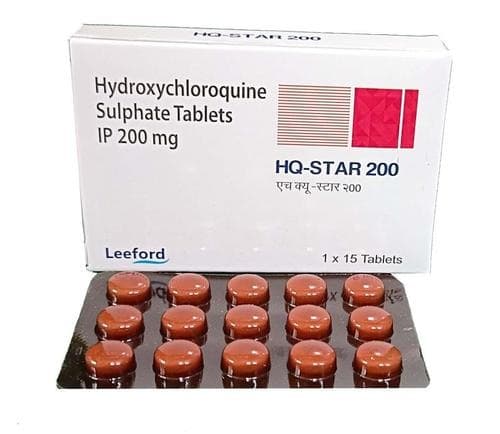
Antimalaria
hydroxychloroquine sulphate
200 MG · 1 X 15 Tablet
By LeefordHealthcareLtd
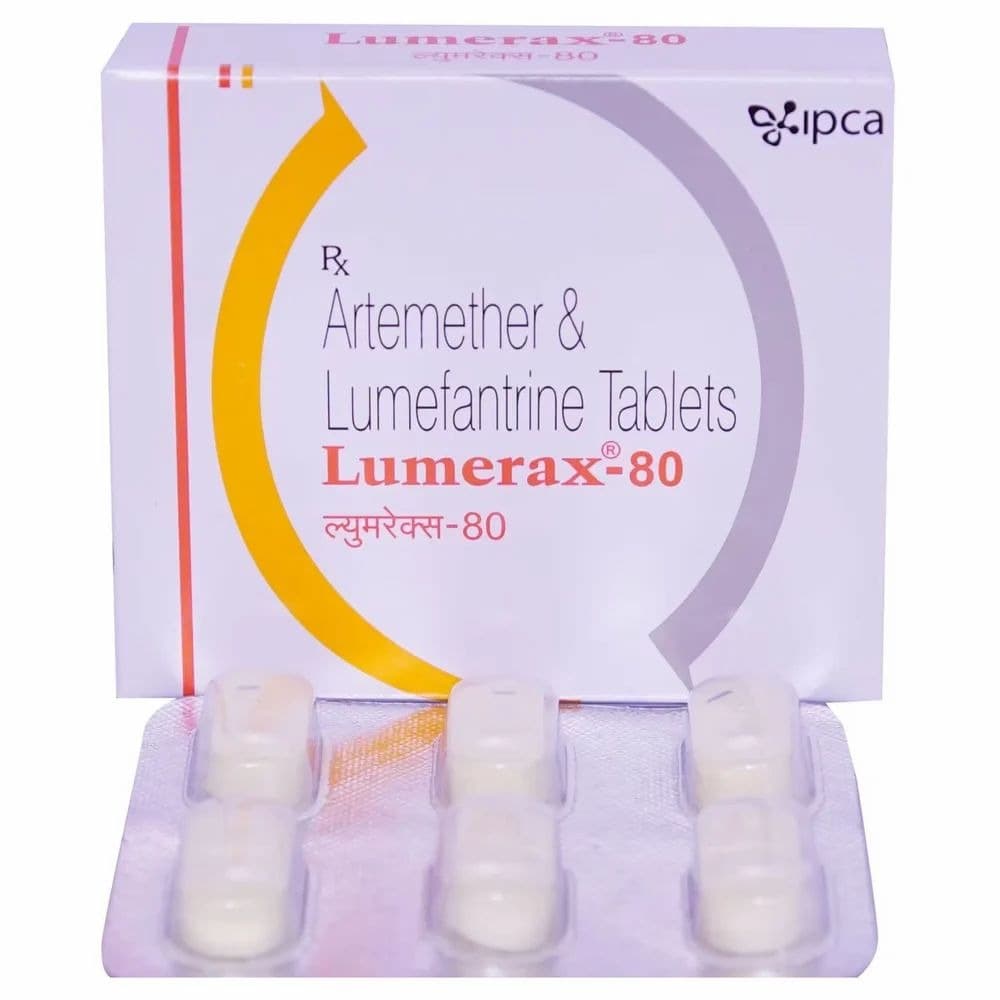
Antimalaria
Artemether & Lumefntrine
80 MG · 1 X 6 Tablet
By Cipla
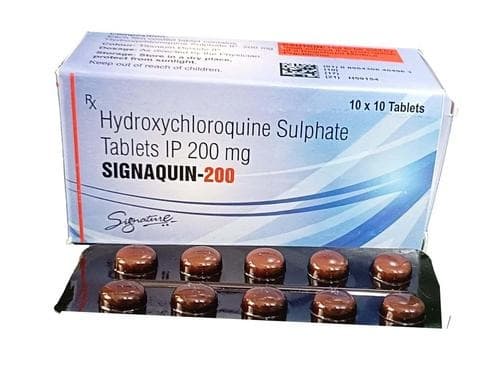
Antimalaria
Hydroxychloroquine
200 MG · 1 X 10 Tablet
By Signature